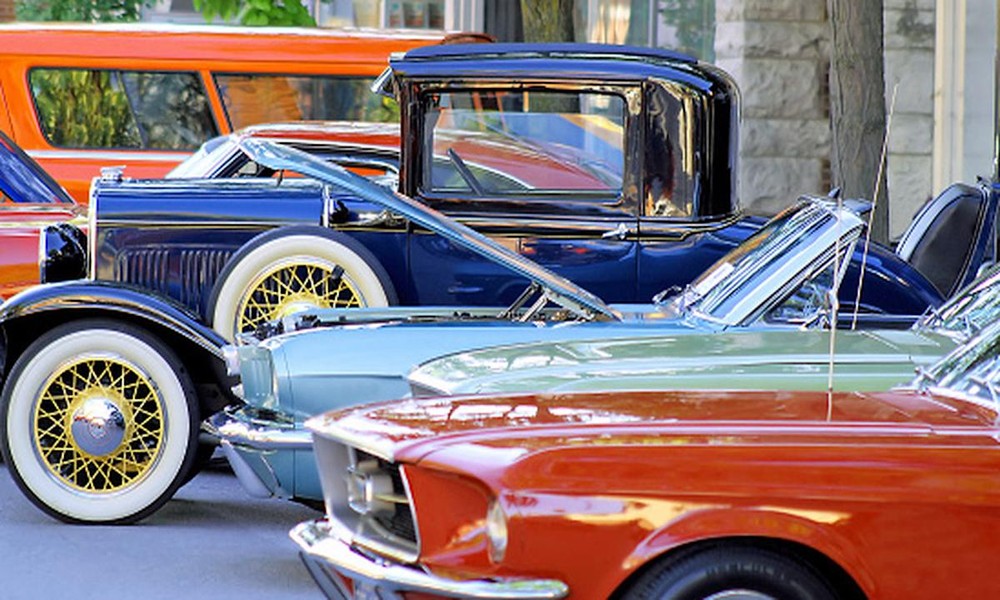

Classic cars stand apart because their design speaks with unusual clarity. Their shape, trim, stance, and cabin details reflect a time when visual identity carried great weight. That clear character is one reason buyers still find them so compelling today.
For buyers who study what to look for when buying a classic car, design becomes one of the most useful guides. Exterior lines, trim details, interior layout, and overall proportion can reveal both visual appeal and long-term value. A closer look at those features helps explain why classic models feel so different from modern vehicles.
Exterior Shape Creates a Stronger Identity
Classic cars usually show a bolder silhouette than most newer models. Long hoods, pronounced fenders, upright grilles, and sharp rear sections give many older vehicles a presence that feels immediate and easy to remember. Their proportions tend to look expressive without trying too hard.
Modern vehicles usually follow tighter packaging and efficiency goals. Those limits can lead to smoother forms that share similar outlines across many brands and categories. Classic cars keep a stronger individuality because their design came from a different set of priorities.
Trim and Ornament Add Visual Depth
Older vehicles use exterior detail in a much more visible way. Chrome surrounds, script badges, hood ornaments, vent accents, and polished moldings help define the body with stronger contrast. These details give the car a sense of craft that many buyers still admire.
This is one reason why, when thinking about what to look for when buying a classic car, careful trim inspection should be included. Missing, altered, or damaged detail work can change the overall look of the vehicle and affect restoration cost at the same time. A car with well-preserved trim usually presents its original design story with greater force.
Interiors Feel Distinct and Era-Specific
Classic interiors tend to carry a stronger visual signature than many modern cabins. Large steering wheels, deep gauges, wide bench seats, and bold dashboard shapes can make the cabin feel tied to one clear moment in automotive history. That sense of period identity adds a major part of the vehicle’s appeal.
Modern interiors usually place greater focus on screens, compact controls, and shared platform logic. That approach can improve convenience, yet it can also reduce some of the visual distinction that older cars carried so naturally. In a classic model, the cabin itself can become a major reason for buyer interest.
Mechanical Layout Shapes the Look
A classic car does not separate engineering and style in the same way many newer vehicles do. Hood length, ride height, wheel placement, and visible hardware all influence how the car looks even before the engine starts. Mechanical layout becomes part of the overall design instead of a hidden background element.
That point matters when buyers think about what to look for when buying a classic car in a serious way. The original stance and visual balance depend on major components that still suit the factory design, not just the paint or upholstery. A car may appear attractive at first glance and still lose some of its real character if key mechanical elements no longer match the period look.
Era Identity Gives Classic Cars Their Lasting Pull
Classic cars usually reflect the tastes and values of the years in which they were built. That strong era identity gives them a visual honesty that buyers still recognize right away. That lasting identity remains one of the strongest reasons they hold buyer interest across generations.
Classic cars stand apart from modern vehicles because their design feels more expressive, more detailed, and more closely tied to a distinct period. Their body shape, trim, interior style, mechanical stance, and era identity all work together to create a stronger visual impression. That is why buyers who value character and individuality continue to return to classic automotive design.