
Key Takeaways
- Buying plus-sized lingerie for yourself prioritises comfort, fit, and personal confidence, while buying for a partner often shifts focus to aesthetics and perceived appeal
- Decision-making changes in risk tolerance, with self-purchases allowing experimentation and partner purchases leaning toward “safe” choices
- Shopping behaviour differs: solo buyers spend more time evaluating fit, while partner buyers focus on visual impact and occasion
- Visiting a sex shop introduces additional considerations such as discretion, staff interaction, and in-store confidence
Introduction
The decision to buy plus-sized lingerie is not just about style or size-it is shaped by intent. Whether the purchase is for personal use or for a partner changes how shoppers evaluate products, manage risk, and interact with the retail environment. The same item can be assessed very differently depending on who it is for. Comprehending this shift in decision-making is essential for both consumers and retailers, particularly in environments like a sex shop in Singapore, where privacy, presentation, and product range intersect with customer expectations.
Buying for Yourself
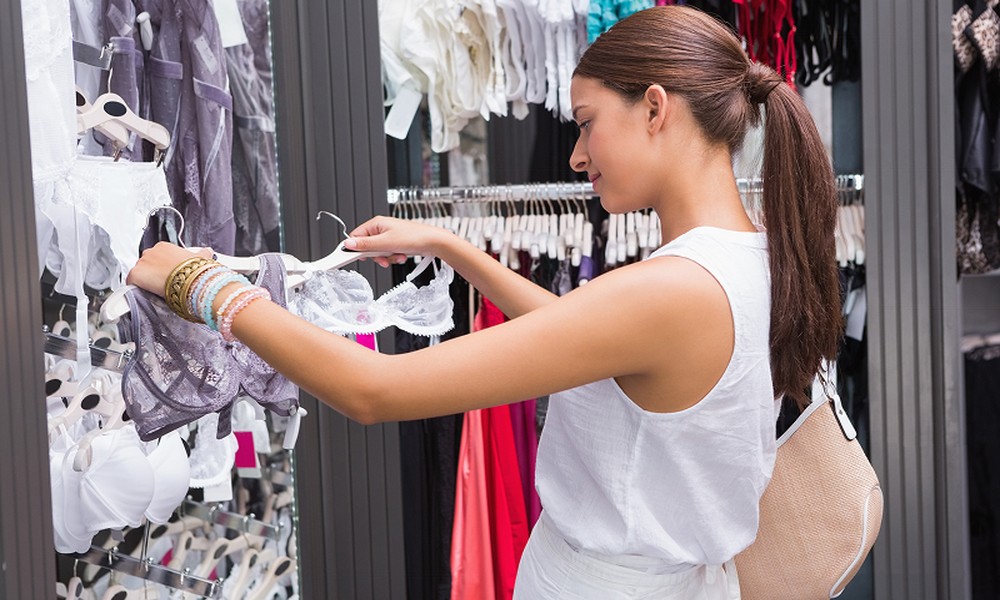
The primary driver when purchasing plus-sized lingerie for personal use is internal satisfaction rather than external validation. Buyers tend to prioritise fit accuracy, fabric comfort, and how the garment feels over extended wear. This instance leads to more deliberate decision-making, with attention paid to sizing charts, stretch, support structures, and return policies. The evaluation process is practical and grounded in lived experience-buyers know where discomfort typically occurs and actively avoid it.
There is also greater openness to experimentation when buying for oneself. Shoppers are more willing to try different cuts, colours, or materials because the outcome only needs to meet their own standards. This situation reduces the pressure to conform to conventional “flattering” designs and instead allows for personal preference to guide the purchase. Additionally, in a retail setting, this often translates into longer browsing times and more interaction with product descriptions or staff, particularly when clarification on fit is required.
Importantly, the emotional component is different. Buying for oneself can be tied to self-image, confidence, or even routine wardrobe upgrades. The decision is less about performance and more about alignment with personal identity. Due to this, dissatisfaction tends to stem from functional issues-poor fit, lack of support, or misleading sizing-rather than aesthetic mismatch.
Buying for a Partner
Once the purchase is intended for a partner, the decision-making framework shifts outward. The focus moves from how the plus-sized lingerie feels to how it is perceived. Buyers prioritise visual appeal, often choosing designs that align with what they believe their partner will find attractive. This instance introduces a level of guesswork, particularly if the buyer is not fully familiar with the partner’s preferences or comfort boundaries.
Risk tolerance decreases in this context. Instead of experimenting, buyers tend to select safer, more universally appealing styles. There is a stronger reliance on standardised aesthetics-lace, darker tones, or classic silhouettes-because these are perceived as less likely to result in disappointment. The emphasis is on minimising the chance of an awkward or unsuccessful outcome.
Time spent on fit evaluation may also decrease, especially if the buyer is purchasing without direct input from the partner. This instance can lead to compromises in sizing accuracy, with buyers relying on estimated measurements rather than precise data. In-store behaviour reflects this urgency, with quicker decision cycles and less engagement with detailed product specifications.
The environment of a sex shop can amplify these dynamics. Buyers may prioritise speed and discretion, limiting their willingness to ask questions or explore alternatives. Staff interaction becomes more transactional, and decisions are often finalised quickly to reduce perceived social discomfort.
Conclusion
The difference between buying plus-sized lingerie for yourself versus for a partner lies in the shift from internal to external evaluation. Self-purchases are driven by comfort, fit, and personal standards, allowing for greater experimentation and detailed assessment. On the other hand, partner purchases prioritise appearance and perceived appeal, leading to more conservative choices and reduced risk-taking. Recognising these behavioural patterns helps explain why the same shopper can make entirely different decisions depending on intent-and why retail environments must cater to both mindsets effectively.
Contact Horny.sg to explore thoughtfully designed pieces, get sizing guidance that actually helps, and choose styles that work whether you’re buying for yourself or for someone else.