
Selecting the right sealing solution for industrial machinery can be the difference between seamless operation and unexpected downtime. At the heart of many sealing systems are O-rings compact, simple, yet critically important components that prevent leaks, protect against contaminants, and maintain pressure integrity across mechanical systems. When evaluating options like Viton Oring and Silicone Oring, it’s essential to understand how their material properties affect performance in real-world industrial applications.
In this guide, we’ll break down the key differences and help you determine which type of seal fits your specific needs, whether you’re handling chemicals, extreme temperatures, or routine equipment maintenance.
What Are O-Rings and Seals?
An o ring and seal are components used to block the passage of liquids or gases in machinery. They are typically doughnut-shaped elastomer rings that sit in grooves between two surfaces, creating a tight barrier when compressed. Though small in size, their performance has a direct impact on machine reliability and safety.
In industrial environments, choosing the correct O-ring material means considering temperature ranges, chemical exposure, pressure levels, and mechanical stress.
Understanding Viton O-Rings
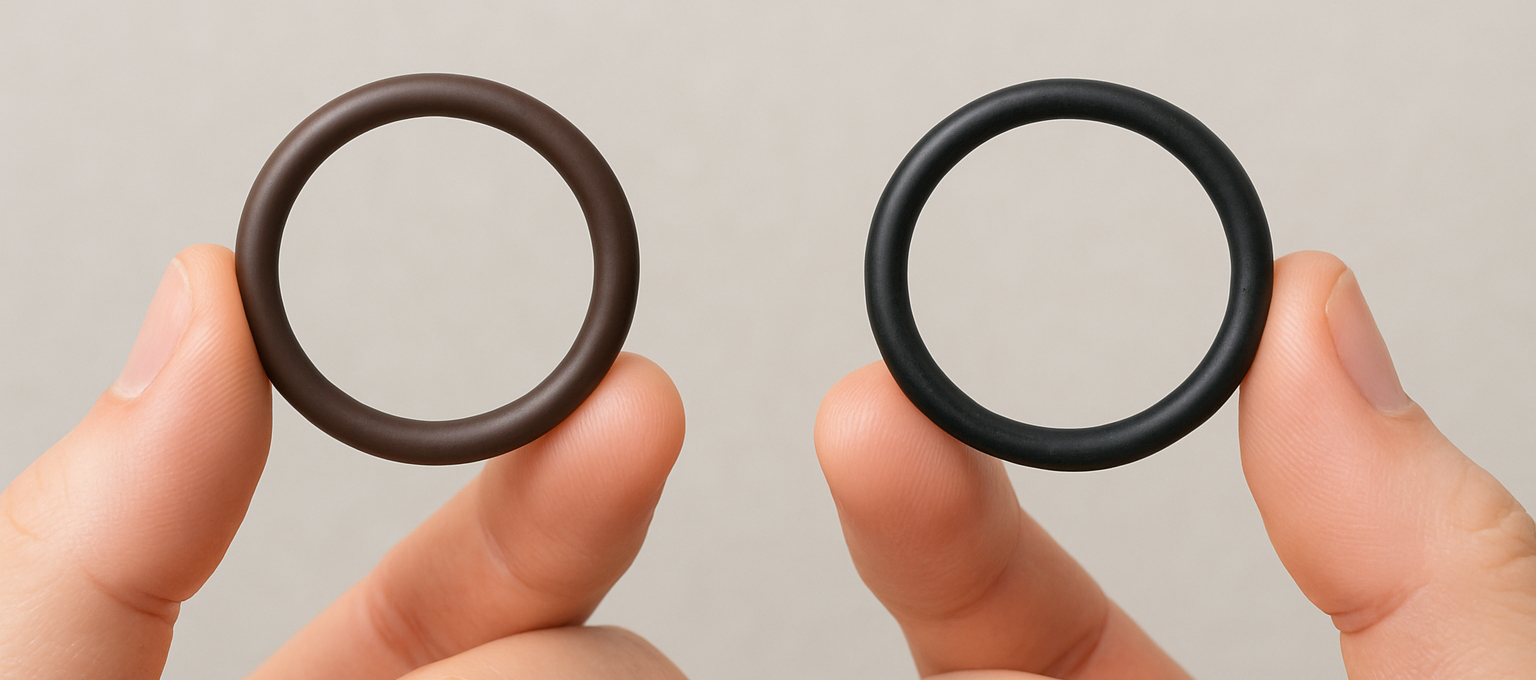
Viton Oring is made from a family of fluoroelastomers known for outstanding chemical resistance and mechanical durability. These characteristics make Viton a premium choice in demanding environments such as:
- High temperature operations
- Chemical processing equipment
- Automotive fluid systems
- Oil, fuel, and solvent exposure
Viton seals maintain structural integrity under aggressive chemicals and higher temperatures typically up to 200-250°C depending on compound formulation making them ideal for heavy industrial use. Their resistance to swelling or degradation when exposed to fuels, acids, or other aggressive fluids often outperforms many other elastomers.
The Strengths of Silicone O-Rings
Silicone Oring options, on the other hand, are excellent where flexibility and low-temperature performance are priorities. Silicone rubber maintains elasticity in a broader temperature range especially at extremely low temperatures down to around −60°C and remains soft and pliable. This makes them suitable for:
- Food and beverage equipment
- Medical devices and pharmaceutical applications
- Consumer products and lightweight machinery
- Temperature cycling environments
While silicone may not match Viton’s chemical resistance, it excels in applications where flexibility, non-toxic properties, and resistance to weathering and ozone are important.
When to Choose Viton vs Silicone
Understanding the differences helps narrow down the ideal material choice based on operational demands:
Choose Viton O-Rings When:
- The system operates at high temperatures
- Chemical exposure includes aggressive solvents, fuels, or oils
- Longevity and mechanical resilience are critical
- You’re sealing in high-pressure environments
Choose Silicone O-Rings When:
- Operating temperatures frequently dip very low
- Flexibility and compressibility are priorities
- Components interact with food, pharma, or medical applications
- Weathering, UV resistance, and material softness matter more than chemical attack resistance
By matching material strengths to your specific application profile, you ensure more reliable sealing performance and longer component life.
Performance Trade-Offs to Consider
Every material choice involves trade-offs:
- Chemical Resistance: Viton generally leads; silicone resists fewer aggressive chemicals
- Temperature Range: Silicone excels at very low temps; Viton dominates at high temps
- Mechanical Durability: Viton typically outperforms in long-term mechanical stress scenarios
- Cost Considerations: Silicone parts often cost less; Viton’s premium performance comes at a higher price point
Evaluating these factors within the context of your machinery’s operating conditions is essential to getting consistent performance out of your seals.
Installation and Maintenance Tips
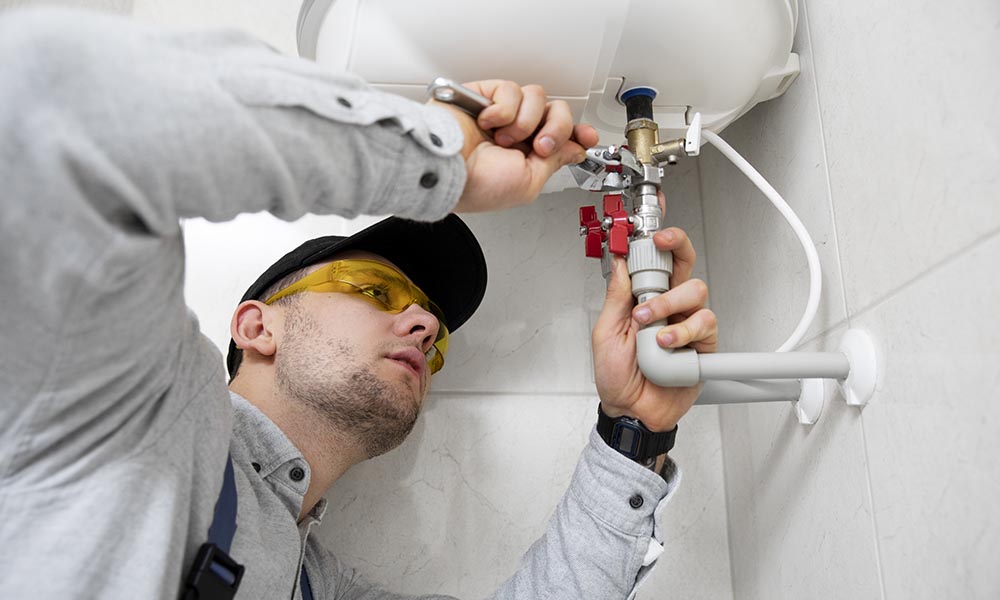
Regardless of material, proper installation ensures your o ring and seal performs as intended:
- Always inspect grooves and surfaces for cuts or debris before installation
- Apply a compatible lubricant when recommended to ease fit and prevent damage
- Avoid twisting the seal during insertion this can create stress points
- Schedule regular inspection intervals to catch early wear or compression set
Maintenance practices tailored to your industrial environment will extend seal life and reduce unexpected failures.
Practical Applications Across Industries
Both Viton and silicone O-rings have their places in diverse industrial sectors:
- Automotive – Viton seals in fuel systems and engine components
- Food Processing – Silicone seals in contact-safe, low-temperature equipment
- Chemical Plants – Viton seals for acidic and solvent-rich environments
- HVAC Equipment – Silicone O-rings in temperature cycling applications
Selecting the right material ensures that industry-specific stresses whether heat, chemicals, or mechanical movement are handled effectively.
Making the Right Material Choice
The ideal choice between a Viton Oring and a Silicone Oring depends on how well the material properties align with your application’s temperature, chemical exposure, and mechanical needs. Evaluating these conditions accurately helps prevent premature wear, leaks, or system downtime.
Reliable selection and quality assurance are key to maximizing uptime and minimizing maintenance costs especially in demanding industrial environments.
For industrial operators and maintenance planners looking for dependable sealing components, KAF-Vulcan India offers a wide range of precision-engineered o ring and seal solutions backed by material expertise and application support. Exploring their range can help you identify the right seal for your performance requirements and operating environment.