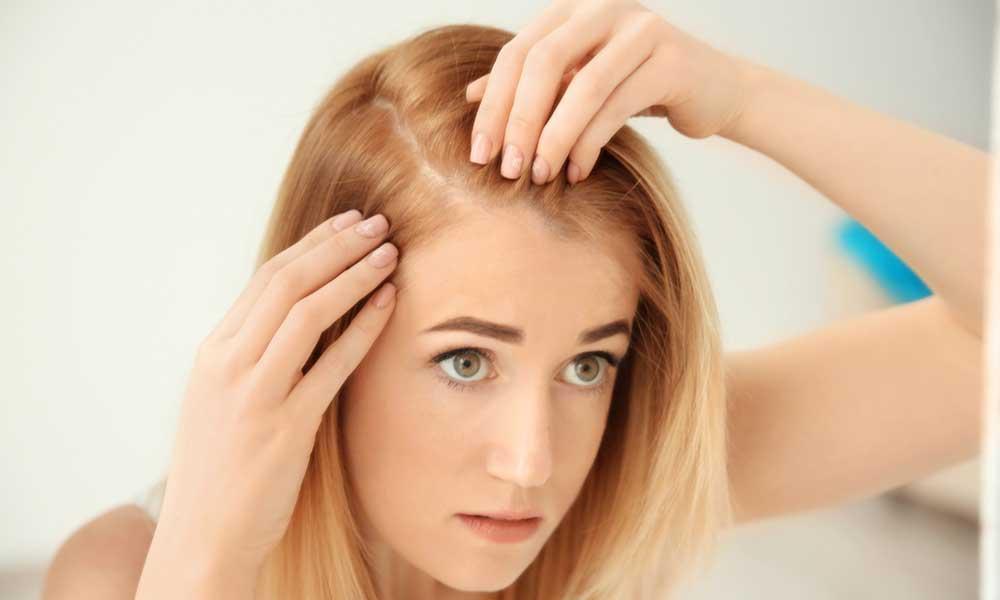

Hair loss can feel sudden, even when the cause develops quietly over months. A clear diagnosis helps you avoid guesswork and target the real trigger. Many people feel more confident once they understand what is happening and what can help.
If you want to explore professional support, you can review hair restoration providers online, such as https://tmhair.com/, to see services and education resources. A qualified specialist can confirm the cause and match treatments to your scalp and goals. The causes below are common issues that restoration care can help manage.
Genetic Pattern Hair Loss
Genetic pattern hair loss tends to follow predictable areas, such as temples, crown, or a widening part. Follicles shrink over time, so hairs become finer and less visible. Early action can help preserve density in areas that still produce strong hairs.
Restoration plans may combine medical support, targeted procedures, and long-term maintenance for stability. Providers also map loss patterns to set realistic goals for coverage and hairline design. A customized plan can improve appearance while protecting natural hair nearby.
Hormonal Shifts and Life Stage Changes
Hormonal changes can affect shedding and density during postpartum months, thyroid imbalance, or menopause. These shifts may shorten growth cycles and increase the resting phase for many follicles. Bloodwork and history review help clarify which factors deserve attention.
Treatment may include medical management, topical support, and strategies that protect fragile follicles. When hormones stabilize, density can improve, yet regrowth may remain uneven without support. A clinician can explain timelines and help you track progress with realistic expectations. Consistent sleep and stress control can also support recovery during hormone-related shedding.
Stress, Illness, and Post-Event Shedding
Major stress, high fever, rapid weight loss, or illness can trigger a shedding pattern called telogen effluvium. Hair may thin across the scalp instead of one spot, which feels alarming. The trigger may occur months before shedding becomes visible.
Restoration care can support recovery by addressing the trigger and supporting healthy regrowth conditions. Providers may recommend scalp assessments, nutrition review, and gentle regrowth therapies when appropriate. Clear guidance helps you avoid harsh products that can worsen breakage. Most cases improve with time, but a specialist can confirm no other cause is present.
Traction, Heat, and Styling-Related Thinning
Tight styles, extensions, and frequent tension can damage follicles along the hairline and part line. Heat tools and chemical services can also weaken hair shafts, which makes thinning look worse. Early changes to styling habits can protect follicles that still have activity.
Restoration providers can assess traction patterns and recommend safer styling routines and scalp support. Some cases respond well to medical therapies and regenerative options when the follicle remains viable. If scarring develops, early evaluation becomes more important for outcomes.
Scalp Conditions and Inflammation
Scalp inflammation can disrupt growth through itching, scaling, or tenderness near affected areas. Conditions such as seborrheic dermatitis, psoriasis, or folliculitis can worsen shedding and breakage. Treatment starts with scalp control, since growth improves in healthier skin.
A clinician may pair medicated care with restoration therapies once inflammation is stable. This approach helps reduce flare-ups that interrupt progress and frustrate patients. Consistent follow-up helps confirm that the plan supports both comfort and density.
Hair loss has many causes, so accurate evaluation matters before you commit to any plan. Restoration options can address several patterns when treatment matches the cause and scalp health. A professional consult can clarify next steps and set realistic expectations for results.