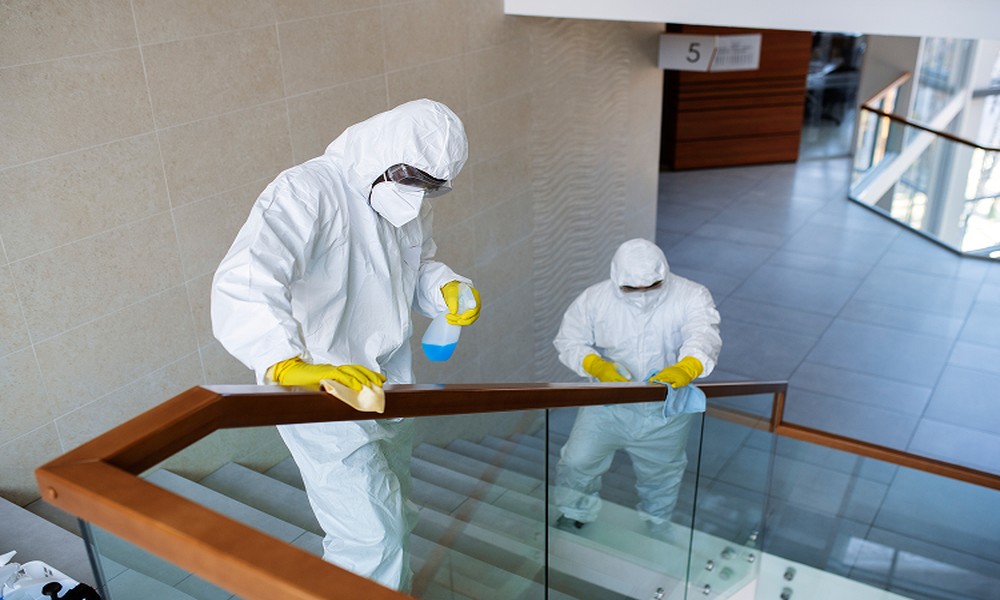

Key Takeaways
- Specialised cleaning is required when biological or chemical hazards are present.
- Professional teams handle safe disposal and thorough disinfection processes.
- Delays in proper decontamination can increase health and compliance risks.
Introduction
Engaging decontamination cleaning services becomes necessary when hazards go beyond what routine cleaning can address, particularly in environments where safety and compliance remain critical. Many businesses rely on regular cleaning to maintain appearance, yet certain incidents introduce contaminants that cannot be managed with standard tools or methods. In these cases, a decontamination company provides specialised processes that remove risks at a microscopic level. Understanding when to escalate cleaning efforts helps prevent exposure, reduces liability, and ensures that affected spaces can return to safe use without uncertainty.
1. After an Infectious Disease Outbreak
Workplaces and shared environments can quickly accumulate pathogens during an outbreak, especially when multiple individuals use the same facilities. Standard cleaning removes visible dirt, yet it may not eliminate microorganisms embedded in surfaces or circulating through ventilation systems. Professional teams use targeted methods to disinfect high-contact areas and hard-to-reach spaces, which helps contain further spread. This approach supports a safer return to normal operations once the immediate risk has been addressed.
2. Discovery of Biological Contamination
Situations involving biological material require careful handling due to the presence of harmful bacteria and potential airborne risks. When such incidents occur, standard cleaning practices may expose individuals to additional hazards. A decontamination company manages removal and sanitisation using protective equipment and specialised agents designed for this purpose. It ensures that the affected area does not retain harmful residues that could compromise health over time.
3. Sewage or Contaminated Water Intrusion
Water damage becomes more serious when it involves contaminated sources such as sewage. This type of intrusion introduces bacteria and other harmful elements that can spread quickly across surfaces. Immediate and thorough cleaning helps prevent long-term damage and health risks, yet the process requires specific techniques that go beyond drying and surface cleaning. Professional services address both visible damage and underlying contamination to restore a safe environment.
4. Residual Contamination After Fire Incidents
Fire damage often leaves behind soot and smoke particles that settle into walls, ceilings, and ventilation systems. These residues can affect air quality and continue to pose risks even after visible debris has been removed. Decontamination cleaning services focus on removing fine particles and neutralising odours, which helps restore indoor conditions to a safer standard. Without this step, lingering contamination may affect occupants long after the incident.
5. Chemical Spills and Hazardous Exposure
Industrial or laboratory environments may encounter chemical spills that require immediate attention. These substances can release harmful vapours or cause direct contact hazards, which makes standard cleaning insufficient. A trained team uses appropriate neutralising agents and containment methods to address the spill safely. This ensures that the area does not retain toxic residues that could affect future use or create ongoing risks.
6. Severe Accumulation of Waste or Debris
Environments with excessive waste accumulation often conceal biological and environmental hazards that develop over time. These conditions can lead to the presence of mould, pests, and other contaminants that affect air quality and structural integrity. A decontamination company handles removal and sanitisation in a controlled manner, ensuring that all hazardous materials are properly managed. This process restores the space to a condition that supports safe occupancy.
7. Laboratory or Controlled Environment Contamination
Laboratory settings require strict standards to maintain safe working conditions, and any contamination can disrupt operations. Whether due to accidental exposure or improper handling, these situations demand specialised cleaning protocols. Decontamination cleaning services ensure that all affected surfaces and equipment meet required safety levels before normal activities resume. It reduces the risk of repeated contamination and supports compliance with operational guidelines.
Conclusion
Certain situations introduce risks that extend beyond what routine cleaning can resolve, which makes professional intervention essential. When contamination affects health, safety, or regulatory compliance, timely action helps prevent further complications. Recognising these scenarios allows businesses to respond appropriately and maintain safe environments without relying on incomplete solutions.
Contact BELFOR Restoration Services to arrange certified decontamination cleaning services and restore your space to safe operating conditions.